
Expressive Arts Therapy in Georgia
Sometimes, creativity says what words cannot.
Not every feeling comes with the right words. Sometimes, drawing, movement, music, or storytelling can help us express what feels difficult to explain.
At Tiny Planet Counseling, expressive arts approaches offer space to explore emotions, connect with yourself, and discover new ways to process your experiences.
What Is Expressive Arts Therapy?
Expressive Arts Therapy uses creative expression to explore emotions, experiences, and our inner worlds.
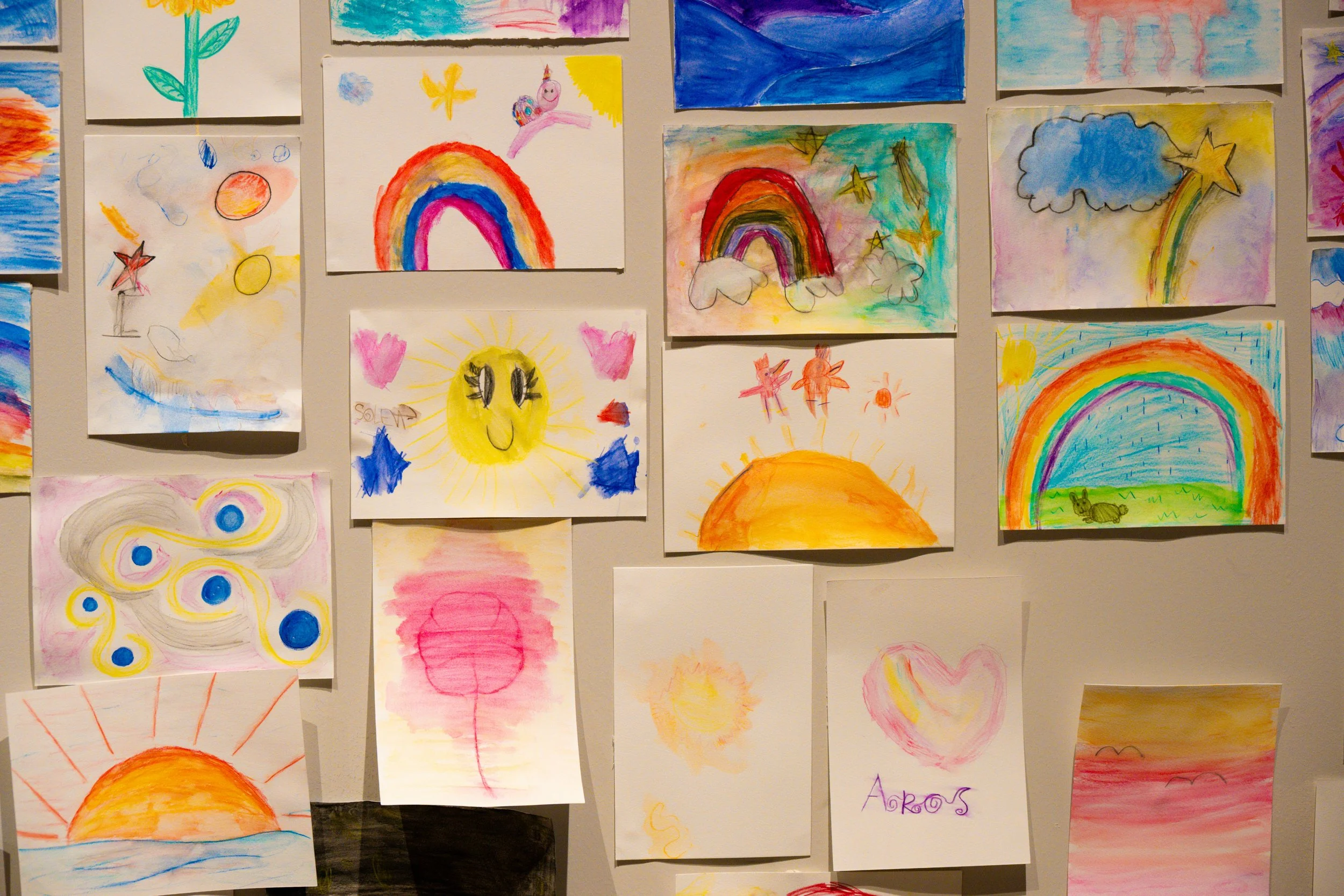
Depending on your needs and your therapist's training, sessions may incorporate drawing, painting, writing, music, movement, storytelling, sand tray, or imaginative activities.
Creative approaches can be especially meaningful when talking about something feels overwhelming, complicated, or simply not enough.
The purpose isn't to make something beautiful or impressive. It's to explore what the creative process helps you notice, express, and understand.
How Expressive Arts Therapy May Help
Creative approaches can support emotional awareness, expression, and connection across different ages and life experiences.
Emotional Expression
Explore feelings that are difficult to name, understand, or communicate through conversation alone.
Anxiety & Stress
Use creative activities to slow down, build awareness, and practice grounding or coping skills during stressful moments.
Trauma & Difficult Experiences
Explore painful experiences through carefully paced creative expression, without relying exclusively on verbal processing.
Self-Esteem & Identity
Make room for your voice, creativity, self-understanding, and a more compassionate relationship with yourself.
Children, Teens & Creative Clients
Support people who connect through art, movement, play, writing, imagination, or visual expression more naturally than through words alone.
There's More Than One Way to Express Yourself.
Some experiences are hard to put into sentences. Creative activities offer another way to explore what you're feeling.
You might create an image that represents a feeling, write a story from a different perspective, or explore how an emotion shows up through movement.
Your therapist can help you choose activities that feel comfortable, meaningful, and appropriate for your goals.
There's no single right way to participate. You get to have a voice in the process.
Creative Paths to Expression
Art & Drawing
Music & Rhythm
Movement & Expression
Writing & Storytelling
Sand Tray & Symbols
Play & Imagination
These are examples, not a required list of activities. Techniques vary by therapist, training, and client needs.
What Expressive Arts Therapy Can Look Like
At Tiny Planet Counseling, creative approaches are collaborative, supportive, and guided by your comfort and individual needs.
Find What Feels Comfortable
Talk with your therapist about your goals, interests, and what kinds of creative expression feel accessible or meaningful to you.
Explore Through Creativity
Try activities such as drawing, writing, movement, or storytelling to notice feelings, explore experiences, and practice expression.
Reflect & Make Meaning
Explore what came up during the process and how those insights may connect with your experiences, coping skills, or personal growth.
You don't have to be an artist to express yourself creatively.
It's About Expression, Not Perfection.
You don't need to know how to draw, sing, dance, or write beautifully to explore expressive arts approaches in therapy.
There's no grade, competition, or expectation to create something that looks a certain way.
You can feel unsure, experiment, change your mind, or choose not to use a particular activity. What matters is finding ways to express and understand your experiences that feel right for you.
Questions You Might Have
A few helpful things to know before exploring creative approaches in therapy.
Do I need to be artistic or creative?
Not at all. Creative activities in therapy are about expression, exploration, and meaning, not artistic ability. You don't need any previous experience to participate.
Is expressive arts therapy only for children?
No. Creative approaches can be adapted for children, teens, and adults. Activities are selected based on your interests, developmental needs, and therapy goals.
Will every session involve an art activity?
Not necessarily. Your therapist may combine conversation with creative techniques, depending on your goals, preferences, and what feels helpful during a particular session.
What if I don't feel comfortable with an activity?
You're welcome to share that with your therapist. Creative work should be collaborative, respectful of your boundaries, and adapted to your comfort and needs.
Does every Tiny Planet therapist use expressive arts?
Therapists have different training, specialties, and clinical approaches. If you're interested in expressive arts techniques, our team can help you explore which therapists may be a good fit.
Your Feelings Deserve More Than One Way to Be Heard.
You don't have to find the perfect words to begin exploring what you're experiencing.
Expressive arts approaches can offer space for curiosity, creativity, self-understanding, and meaningful connection.